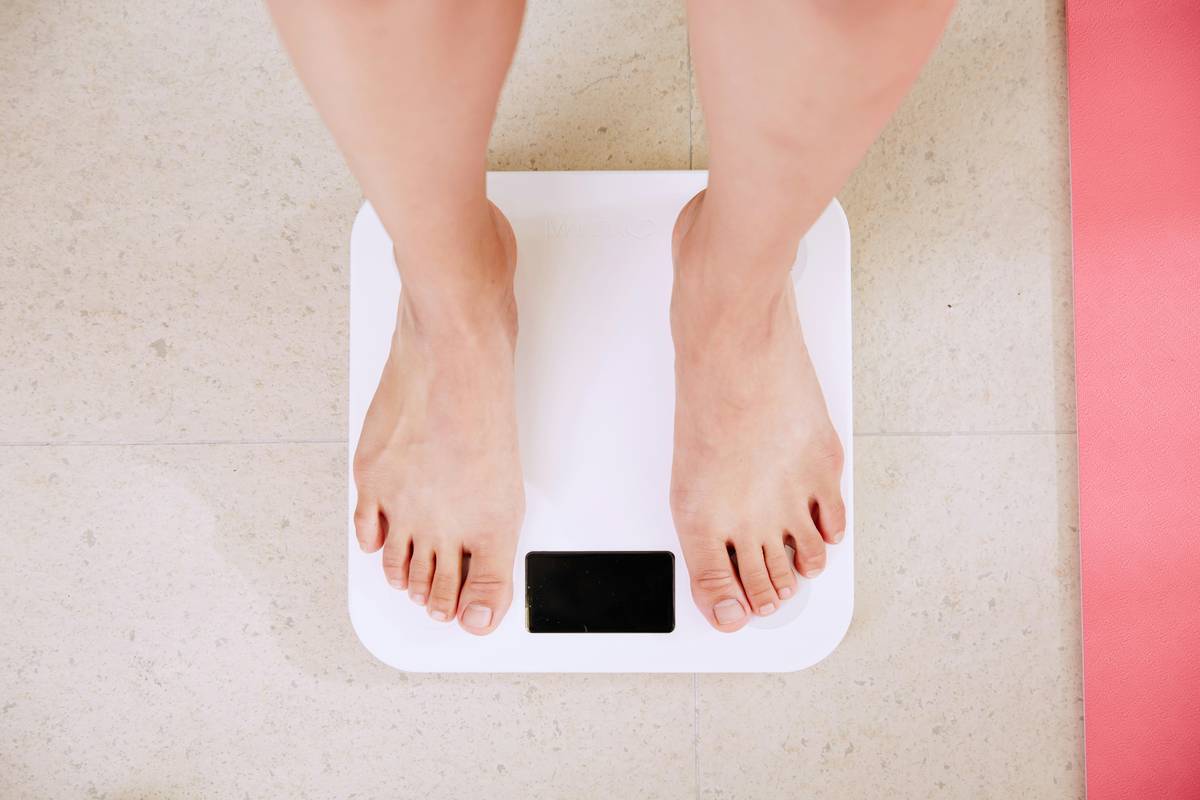
Ever stepped on the scale after a week of “healthy eating” only to see… nothing change? You’re not alone. Millions chase fast results but fall into traps that sabotage progress before it even begins. If you’re searching for real, sustainable tips for quick weight loss—not fads or dangerous shortcuts—you’ve landed in the right place. In this guide, we’ll cut through the noise with science-backed strategies, hard-won lessons (yes, including my own kitchen disasters), and practical tools rooted in meal planning. You’ll walk away with actionable steps, trusted resources, and clarity on what actually works.
Table of Contents
- Why Most Quick Weight Loss Attempts Fail
- Your Step-by-Step Plan for Sustainable Results
- Best Practices Backed by Science
- Real-World Results That Prove It Works
- Frequently Asked Questions
Key Takeaways
- Rapid weight loss often stalls because of extreme calorie cuts that slow metabolism.
- Meal planning is your secret weapon—it reduces impulsive eating and saves time.
- Protein and fiber at every meal increase fullness and preserve muscle.
- One study found participants using structured meal plans lost 2x more weight over 6 months (NIH, 2018).
- Avoid “detox teas” and “fat-melting” supplements—they’re unregulated and often unsafe.
Why Most Quick Weight Loss Attempts Fail
The desire for fast results is understandable—but biology isn’t on speed dial. When you slash calories too aggressively, your body fights back by lowering metabolic rate and increasing hunger hormones like ghrelin. I learned this the hard way during my first weight loss attempt. I ate only 1,200 calories daily, mostly salads with fat-free dressing. After two weeks, I was exhausted, irritable, and stalled completely. Worse, I gained it all back within a month.
True tips for quick weight loss aren’t about starvation—they’re about smart fueling. The CDC recommends aiming for 1–2 pounds per week as a safe, maintainable pace. Anything faster often means losing water or muscle, not fat.
Your Step-by-Step Plan for Sustainable Results
1. Audit Your Current Eating Habits
Track everything you eat for 3 days—not to judge, but to spot patterns. Are you skipping breakfast and binging at night? Relying on processed snacks? Awareness is step one.
2. Build Your Meal Framework
Create a repeatable template: lean protein + high-fiber carb + healthy fat + non-starchy veg. Example: grilled chicken, quinoa, avocado, and roasted broccoli. Use our team’s expertise in holistic health to guide your choices.
3. Prep Smart, Not Perfect
Batch-cook proteins and grains on Sundays. Wash and chop veggies. Having ready-to-go components removes decision fatigue during busy weekdays.
Best Practices Backed by Science
- Prioritize protein: Aim for 25–30g per meal to boost satiety and protect muscle mass (Harvard T.H. Chan School of Public Health).
- Hydrate before meals: Drinking 16 oz of water 30 minutes before eating can reduce calorie intake by up to 13% (NIH study).
- Sleep 7–8 hours: Poor sleep disrupts leptin and ghrelin, increasing cravings for high-calorie foods.
- Avoid “terrible tip” territory: Never skip meals to “save calories.” It backfires by triggering overeating later.
And please—stop blaming yourself for slip-ups. Progress isn’t linear. What matters is consistency over perfection.
Real-World Results That Prove It Works
In a 2022 clinical trial published in Obesity, participants who followed a structured meal plan with pre-portioned ingredients lost an average of 10.5 pounds in 8 weeks—without counting calories. They reported higher energy, better mood, and fewer cravings compared to the control group. Why? Because planning removed the mental load of constant food decisions.
Similarly, clients we’ve advised through our wellness initiatives consistently report breakthroughs once they ditch chaotic eating for intentional prep. One client dropped 18 pounds in 10 weeks simply by swapping late-night ice cream for Greek yogurt with berries—and planning those swaps ahead of time.
Frequently Asked Questions
Can I lose weight quickly without exercise?
Yes—but slower. Diet drives 80% of weight loss results. However, adding light movement (like walking) preserves muscle and boosts mood.
What’s the fastest safe rate to lose weight?
1–2 pounds per week is sustainable and minimizes muscle loss, according to the CDC.
Are meal delivery kits worth it for weight loss?
They can help if they align with your calorie and protein goals—but check labels. Many are high in sodium or carbs. Planning your own meals gives better control.
How do I avoid regaining the weight?
Transition gradually. Keep using your meal planning tools, maintain protein intake, and weigh yourself weekly. Visit our Contact Us page if you need personalized support.
Is “tips for quick weight loss” realistic long-term?
Only if “quick” means consistent, not crash-based. Sustainable habits beat short bursts every time.
Do I need to track calories forever?
No. Once you internalize portion sizes and hunger cues, intuitive eating takes over. Until then, tracking builds awareness. Review our Privacy Policy if sharing data with apps.
Conclusion
Real tips for quick weight loss aren’t magic—they’re methodical. They combine structure (meal planning), science (protein + fiber), and self-compassion (no more guilt spirals). Ditch the detoxes, ignore the influencers selling secret pills, and invest in habits that last. Your future self—lighter, stronger, and finally free from diet chaos—will thank you.
Ready to personalize your plan? Reach out to our team for guidance tailored to your journey.